If you’re thinking about taking your first solo trip, I want you to know something: you’re already braver than you think. Most women don’t wake up one day magically confident and fearless. It starts small at your home with learning how to be comfortable with yourself.
When I took my first solo trip, I didn’t feel “ready.” I felt nervous, excited, and honestly… tempted to cancel a few times. But I learned step-by-step, and today I want to walk you through the same process. It’s simple and you can do it!
1. Warm-Up: Train Yourself to Be Comfortable Alone
-
Practice being with yourself at home
Learning to enjoy your own company is the first step to becoming a confident solo traveler. Try turning off the TV, music, and distractions for an evening and simply sit with yourself. It might feel uncomfortable at first, but that quiet creates space for self-awareness, something you’ll heavily rely on during your solo journeys. When I first did this, I realized how rarely I allowed myself to hear my own thoughts. Give yourself permission to slow down and check in with yourself. Eventually, you’ll find peace in your own presence, a huge win for any future traveler.
-
Have meals alone
This one sounds simple, but it can be surprisingly intimidating. Sit down at a small café or restaurant you like and enjoy a meal by yourself without scrolling on your phone. The first time I ate alone in public, I kept thinking everyone was staring at me, but they weren’t. The more you do it, the more normal it feels. And when you finally travel solo, this experience will help you feel comfortable dining anywhere.. It’s a small step that builds huge confidence.
-
Run errands or go shopping alone
Going to stores by yourself teaches you to move at your own pace, make decisions without pressure, and handle small stress moments. I remember once needing help in the camping aisle and feeling awkward asking for assistance, but those little uncomfortable moments train you for real travel situations. On the road, you’ll be asking strangers for directions, bus info, or local recommendations, so get used to speaking up. Shopping alone also helps you practice independence in unfamiliar environments. Treat it as training, not a chore.
-
Spend time alone in quiet places
Visit a library, bookstore, park, or community center by yourself. These are low-pressure places to practice being alone without feeling lonely. Bring a book, journal, and stay for at least an hour. When you’re on the road, you’ll find plenty of downtime between hikes, drives, or sightseeing, and you’ll need to be comfortable filling that time with your own joy. This step helped me understand that solitude can be peaceful, not scary.
-
Start small conversations with people
Try talking to a cashier, waitress or fellow bus rider. You don’t need to be outgoing, you just need to get comfortable speaking with strangers. When you travel alone, you’ll rely on many tiny conversations: asking for directions, checking into hotels, clarifying orders, or chatting with other travelers. I used to avoid initiating conversations, but practicing at home made me more confident abroad. Think of it as building your “social courage.” These will train you to be comfortable to start a conversation, socialize before the trip, and build your own confidence.
-
Try doing fun activities alone
Watch a movie alone. Go for a hike alone or riding a bike in your local beach. Visit a museum by yourself. The goal is to learn that joy doesn’t require company. When you finally go on your solo trip, these moments will remind you that you’re fully capable of creating your own happiness. The first time I watched a movie alone, I walked out feeling lighter, like I didn’t have to wait for anyone to enjoy my life. That mindset is everything.
2. Start With Small Solo Trips

-
Begin with day trips
Choose a nearby town, nature spot, or attraction within 1–2 hours from home. Day trips are the perfect practice because you experience leaving home, navigating somewhere new, and coming back safely in the same day. You’ll learn how you react to unexpected situations like parking confusion or last-minute schedule changes. The more day trips you do it, the more comfortable you will get. I used to do a lot of day trips, spend my own time to ride bike, do photography, go shopping without friends, eat in the restaurant. Those build my confidence and enjoy my own time. Once I saw how doable it was, I wanted more.
-
Try an overnight solo
Stay one night at a simple hotel or campground. Overnight trips help you practice the “routine” side of solo travel: checking in, locking your doors, organizing your belongings, and winding down alone. These tiny habits matter more than you think. The first time I slept alone in a hotel, I kept the lights on longer than usual because I felt nervous, but after a few hours, that nervousness faded. Your confidence grows quickly when you give yourself these small experiences.
-
Go on a weekend trip
A 2 or 3 day weekend trip helps you practice navigating multiple meals, activities, and decisions on your own. This is when you really learn your travel style, whether you prefer slow mornings or busy days, fancy food or simple snacks, crowded spots or quiet nature. These short trips also reveal what kind of traveler you really are.
-
Travel with friends but spend solo hours
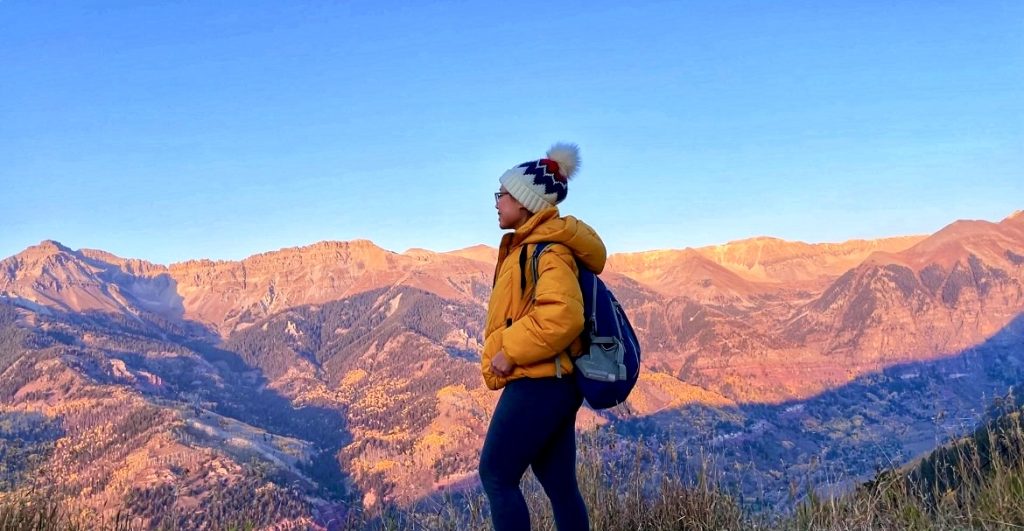
The next time you’re traveling with someone, reserve half a day to explore alone. This helps you practice independence while still having a safety net nearby. I tried this in Utah once 5 years ago, doing a sunrise hike alone in Bryce Canyon National Park while my husband slept in. He did encourage me to do it because he knew I enjoyed photography and liked to capture the early sunrise red rock canyon. That morning became one of my favorite travel memories. I felt proud that I did it back then.
-
Get out of your comfort zone
Push yourself in tiny ways: take a different hiking trail, sit at a new café, drive somewhere unfamiliar. These small challenges build resilience. Solo travel is mostly about problem-solving and trusting yourself. Every time you stretch your comfort zone, your future travels become easier.
-
Enjoy yourself
This might sound simple, but many women forget this part. Solo travel isn’t about proving you’re strong or independent, it’s about enjoying your life. Take the photo. Eat the ice cream. Stop for the sunset. Buy the little souvenir. The more you practice joy at home, the more joyful your solo trip will be.
3. Planning Your First Solo Trip
-
Choose activities or destinations that excite you
You’ll be alone, so make sure your destination feels meaningful. If you love nature, choose a state or national park. If you like cities, book a city tour that includes great restaurants. And if you prefer a quiet, peaceful time, pick a town with cozy cafés. Your first solo trip should feel doable, not overwhelming. The more excited you are, the less room fear has to grow.
-
Pick an easy-to-travel destination
Choose a place with simple transportation, safe neighborhoods, and clear tourist infrastructure. Somewhere with lots of online information so you won’t feel lost. Think of places like Sedona, San Diego, Portland, Vancouver, or small towns near national parks. You want a location that supports you, not stresses you out.
-
Decide the length of your trip
For your first trip, 2-4 days is perfect. It’s long enough to experience independence but short enough to not feel trapped if you get homesick. Once you’re more comfortable, extend it to a week or longer. Everyone has a different learning curve, just do it at your own speed.
-
Research the best time to travel
Look up weather patterns, seasonal crowds, event calendars, and daylight hours. A rainy week or peak tourism season can easily overwhelm a first-time solo traveler. I planned my first solo trip during shoulder season, and it was a game changer, cool weather, fewer people, and better prices.
-
Gather planning resources
Use blogs, guidebooks, forums, travel apps, and YouTube to learn about your destination. This reduces anxiety and helps you prepare mentally. It also gives you backup ideas if something goes wrong. The more you know before you go, the more confident you’ll feel when you arrive.
4. Booking Your Trip
-
Learn the best time to book
Flights are usually cheaper mid-week, hotels are cheaper during non-holiday periods, and attraction tickets are often discounted when bought early. Understanding timing helps you save money and avoid stress.
-
Search different booking platforms
Flights and hotels:
There are a few sites to compare: Google Flights, Skyscanner, Booking.com, Expedia. Prices can vary a lot depending on where you look. Sometimes booking directly with a hotel gives a better deal, like free breakfast or late checkout or refundable cancellation.
National park campgrounds:
Some of them are the most beautiful and well-organized in the country, and most of them are booked through Recreation.gov. This website lets you search campsites by date, location, and campground type, and the layout is beginner-friendly
State Park Campground:
Every U.S. state has its own park system, and many use ReserveAmerica.com for reservations. State parks are great for first-time solo campers because they usually feel safe, clean, and well-maintained.
Private Campgrounds (KOA, Hipcamp, and Local Spots)
If you want the easiest, safest-feeling option for your very first solo camping trip, private campgrounds are perfect. Brands like KOA offer bathrooms, laundry, lights, small convenience stores, and even cute cabins if you want to mix comfort with adventure. Or search private campground on App: Hipcamp for more options.
-
Understand e-tickets vs. paper tickets
Most places use e-tickets now, but it’s important to have both digital and printed copies. Phones die, apps glitch, screens crack, so having a paper backup can save the day.
-
Use rewards programs
If you plan to travel more in the future, join loyalty programs early. Points add up faster than you think. Even one solo trip can earn free hotel nights or flight discounts later.
-
Know your seating and boarding options
Choosing the right seat: aisle, window, near the exit row. Those can make your flight more comfortable. Some airlines let you check in early to get a better boarding group. Learn these small systems now so you don’t panic at the airport later.
-
Take advantage of airport lounges
Lounges are a gift, especially for solo travelers. Quiet spaces, free snacks, comfy chairs, and clean bathrooms make traveling less stressful. You can access lounges through credit cards, day passes, or memberships.
5. Preparing Mentally and Physically
-
Handle legal paperwork early
Check your passport expiration, visa requirements, travel insurance, and necessary documents. Keep everything organized in a folder. Missing paperwork is one of the biggest sources of travel stress, so prepare early.
-
Stay healthy before your trip
Drink water, sleep well, stretch, eat healthy, and take vitamins. Travel takes energy more than most people expect. I once traveled right after a crazy work week and ended up exhausted my entire first day. Take care of yourself now so you can enjoy your trip later.
6. Packing for Your Solo Trip
-
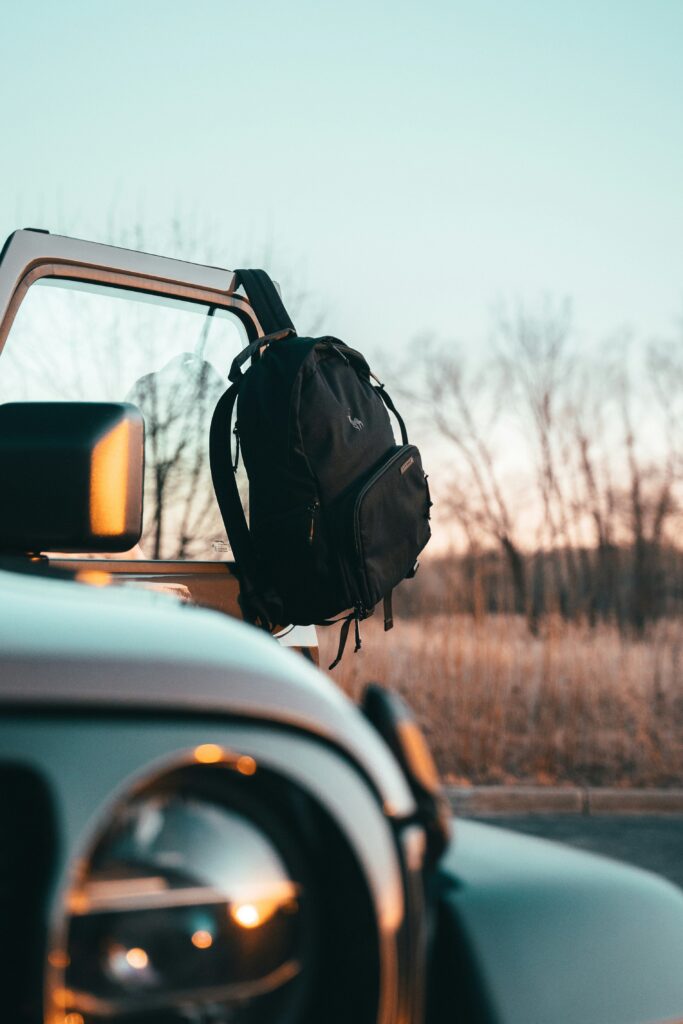
Create a packing list
A written list helps you stay organized and prevent overpacking. Solo travelers don’t have extra hands to carry unnecessary weight. Write down everything you need, then remove anything that isn’t essential.
-
Check the weather
Always pack based on the forecast. Weather surprises can ruin a trip. Bring a lightweight jacket, extra layers, and comfortable shoes. They are essential!
-
Pack clothes that make you feel good
Comfortable pants, breathable shirts, cozy sweaters, and shoes you can walk in for hours. Choose outfits you already love wearing at home. A confident traveler is a safer traveler.
-
Bring toiletries you trust
Travel with your own shampoo, face wash, sunscreen, and hygiene essentials. Trying new products on a trip can lead to breakouts or irritation, which just adds unnecessary stress.
-
Bring small comforts
A journal, your favorite tea, a little blanket, or a familiar perfume can make a hotel room feel more like home. When you travel alone, these comforts matter more than you expect.
-
Carry your electronics
Phone charger, backup battery, headphones, and music/podcast apps. These help you stay safe, entertained, and connected.
7. Managing Money on the Road
-
Set a travel budget
Decide how much you’ll spend on transportation, lodging, food, activities, and emergencies. A budget gives you freedom without guilt.
-
Track your spending
Use a notebook, app, or notes on your phone. Recording your expenses keeps surprises away.
-
Know how to exchange money
If traveling internationally, learn conversion rates and fees. Avoid exchanging money at airports, they’re usually more expensive.
-
Carry cash and cards
Have $50–$100 in cash for emergencies. Keep one credit card and one debit card with you, and one backup stored safely in your bag.
-
Understand tipping and taxes
Each country has different customs. Learn before you go to avoid awkward moments.
-
Use money-saving tricks
Walk instead of Uber when possible, choose markets over restaurants, and book tickets in advance.
8. Safety for Solo Women
-
Understand your destination
Research neighborhoods, transportation systems, cultural norms, and common scams. Knowledge is your best protection.
-
Pay attention to travel warnings
Stay aware of official travel advisories. You don’t need to be scared, you just need to be informed.
-
Clothing choices matter
Dress respectfully for local culture. Notice how other women dress and follow their lead.
-
Your demeanor matters
Walk with confidence, stay aware, and trust your intuition. Solo women who look alert are less likely to be targeted.
-
Practice hotel and transportation safety
Lock your door. Don’t say your room number out loud. Sit near the driver on buses. Keep your belongings organized.
-
Trust your instincts
If something feels off, leave. You don’t need to explain or apologize. Your safety is more important than someone else’s opinion.
My Inspiration to You
If you’ve been thinking about taking your first solo road trip but keep waiting for the right time, I hope my story gives you a little push. I was nervous, worried, and made some mistakes, but I still did it. I got nervous and had moments where I questioned myself “Why am I doing it?”, but I kept going. And you know what? That’s how confidence is built: one small, imperfect step at a time. You don’t have to have it all figured out; you just have to start. Every wrong turn and little challenge teaches you something new about yourself. The best part isn’t the destination, it’s realizing you’re stronger and braver than you thought. You deserve to feel proud, free, and alive on your own journey. And if my story made you smile or feel inspired, share it with another woman who needs a little courage today, we’re all in this together.
Let’s Keep Inspiring Each Other
If you’ve found comfort, courage, or ideas here, I’d love for you to come back often, stay connected, and support me on PATREON. Or simply, BUY ME A COFFEE while you enjoy the contents on my website. Your support helps me create more interesting content, travel guides, and stories that empower solo female travelers, and maintain my ad-free website for a quality experience.
If you’ve already traveled solo, what’s your story? I’d love to hear about your first solo trip or any fun travel experiences. Please share below.